Monday, 9th March
Writing's Origins Reset | Analysing Vindolanda’s Roman Writing Tablets | Cambridge’s Forgotten Private Prison

Origins of Writing Pushed Back 40,000 Years by New Discovery
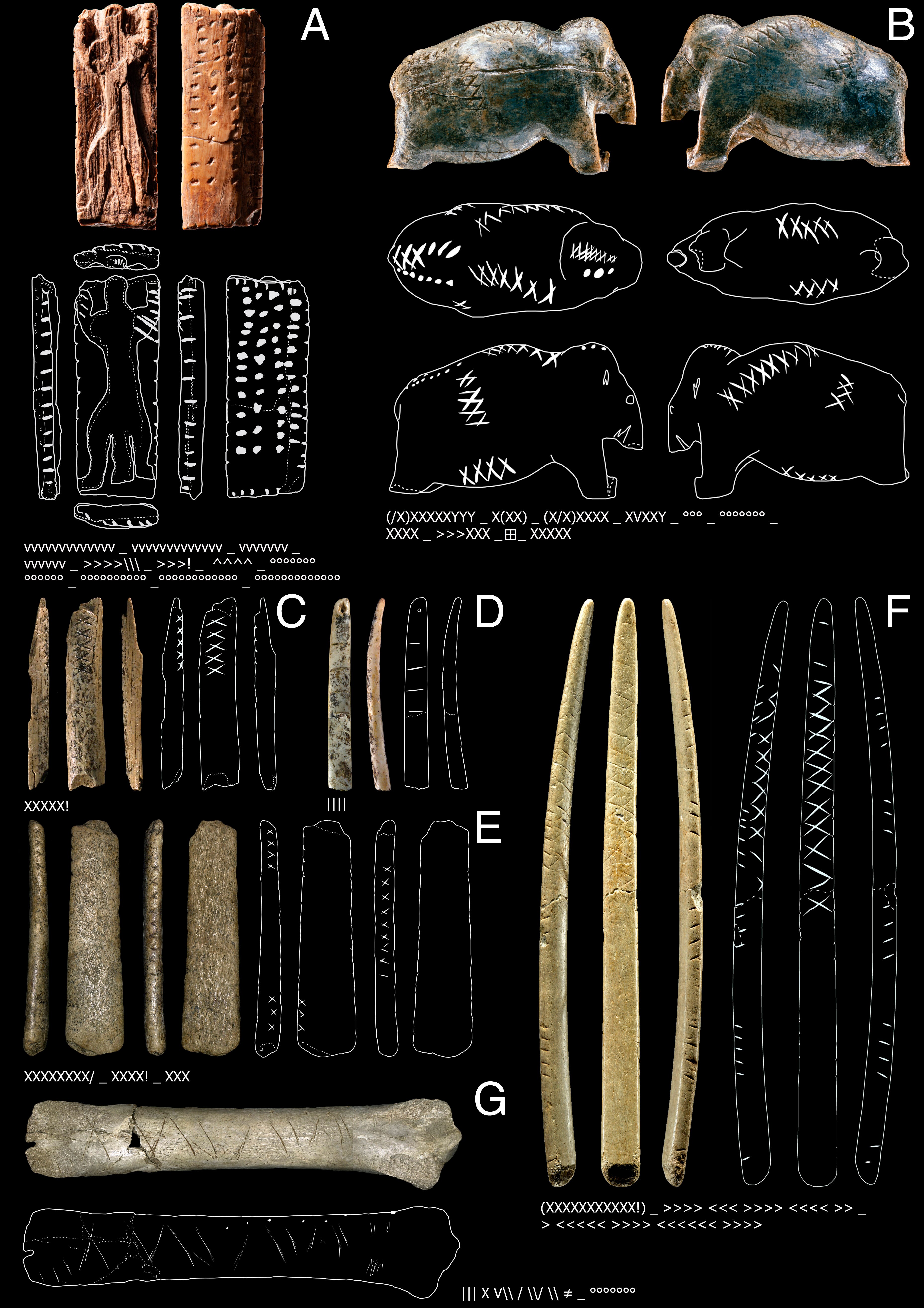
Recent research published in the journal PNAS suggests that the dawn of written communication may be 40,000 years older than previously recorded. While traditional history credits Mesopotamian proto-cuneiform (c. 3,200 BC) as the first writing, this new study of Paleolithic artefacts in Germany reveals a sophisticated precursor dating back 45,000 years.
A team led by Prof. Christian Bentz (Saarland University) and Ewa Dutkiewicz (Berlin’s Museum of Prehistory) analysed over 3,000 characters across 260 ivory and bone objects. Their findings challenge existing timelines of human intelligence.
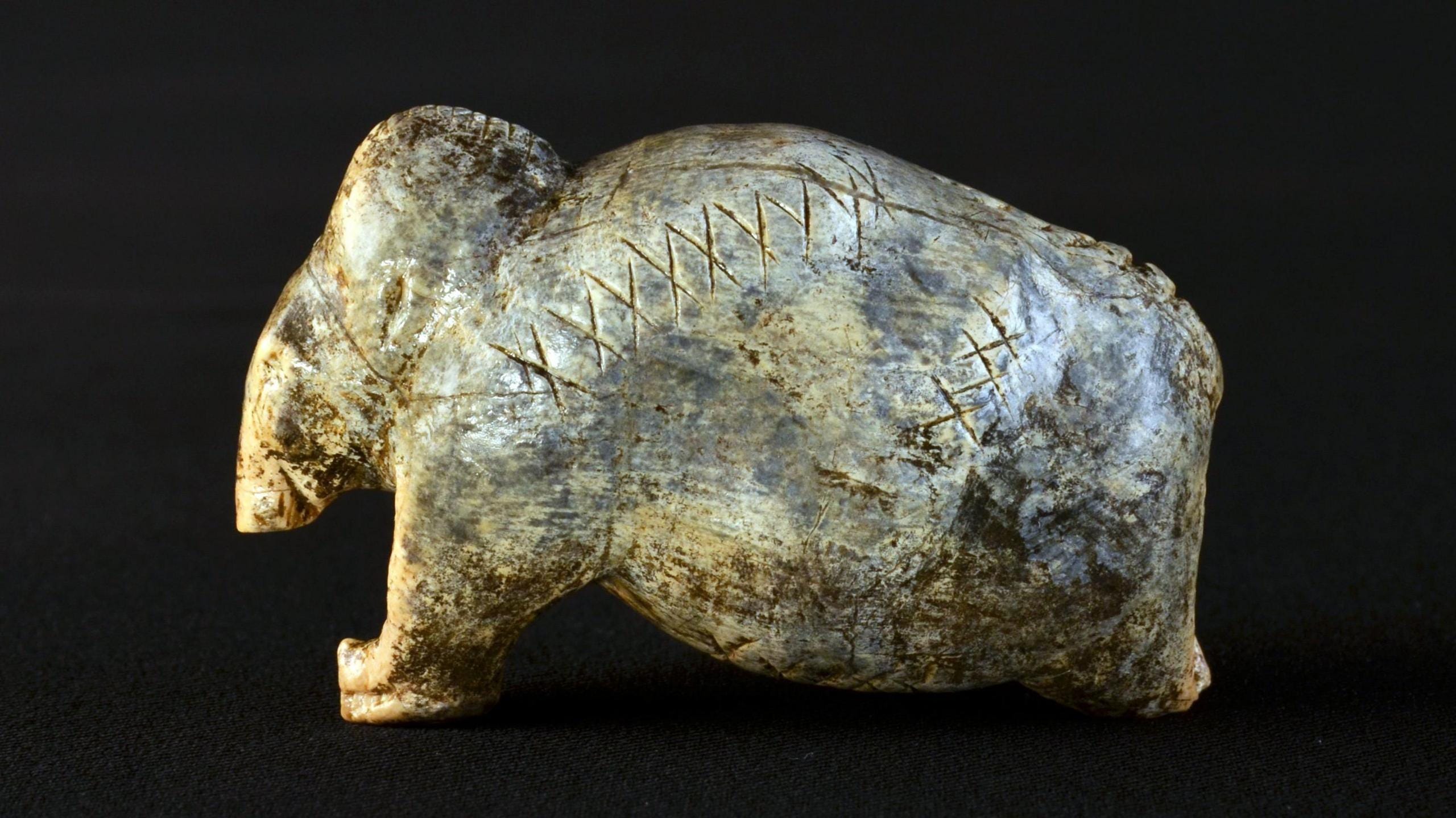
Using statistical analysis, researchers found that these Paleolithic signs - lines, notches, dots, and crosses - possess an information density comparable to the earliest Mesopotamian tablets. The repetition and predictability of the symbols also suggest they functioned as a “visual grammar” to convey socially understood meanings.
The most complex patterns were found on figurines rather than tools, such as a tiny mammoth tusk carving and the famous ‘Adorant’ lion-human plaque from the Lonetal cave system, indicating they were precious vessels for information.
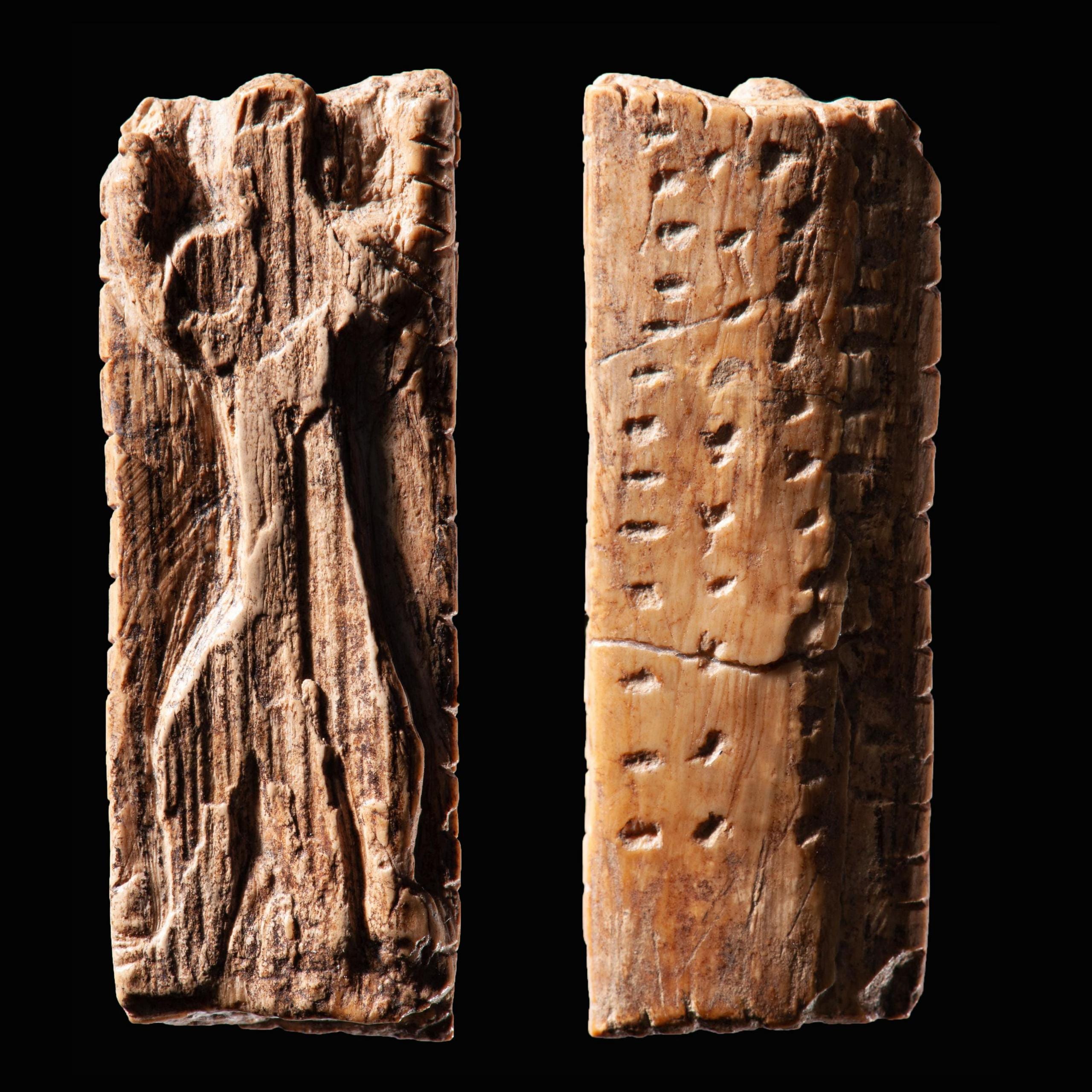
The discovery proves that Ice Age hunter-gatherers possessed the same cognitive capacity for abstract thought as modern humans. These portable artefacts, many small enough to fit in a palm, indicate that storing and sharing information via external symbols was a vital part of daily life as Homo sapiens migrated into Europe.
While these lack phonetic components, they represent a necessary, cumulative step in the long evolution toward true writing.
KNOW MORE
PNAS - Humans 40,000 y ago developed a system of conventional signs
BBC - First writing may be 40,000 years earlier than thought
Phys.org - 40,000-year-old Stone Age symbols may have paved the way for writing, long before Mesopotamia

The Making of the Vindolanda Wooden Writing Tablets
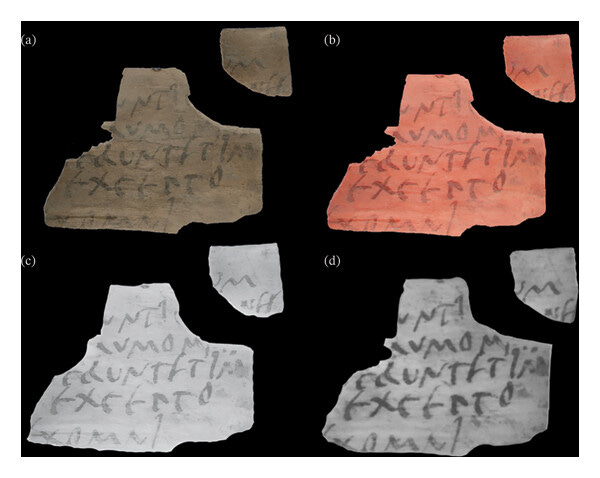
A recent study published in the Journal of Analytical Methods in Chemistry (February 2026) has unveiled significant new insights into the material culture of Roman Britain. Led by scientists from the British Museum, the research employed a non-invasive, multi-analytical protocol to characterise the black inks used on these iconic 1st and 2nd-century wooden documents.
To preserve the fragile, waterlogged wood, the team developed a fully non-destructive methodology with 3 elements:
Multispectral Imaging (MBI) & SWIR: High-resolution infrared photography confirmed the use of carbon-based inks, which remain opaque under IR light, unlike metal-based formulas.
Raman Spectroscopy: This laser-based technique allowed researchers to identify the molecular “fingerprints” of the carbon pigments without touching the surface.
Elemental Analysis (XRF & SEM-EDX): These tools detected trace minerals and metal impurities, providing clues about the industrial environments where the ink was manufactured.
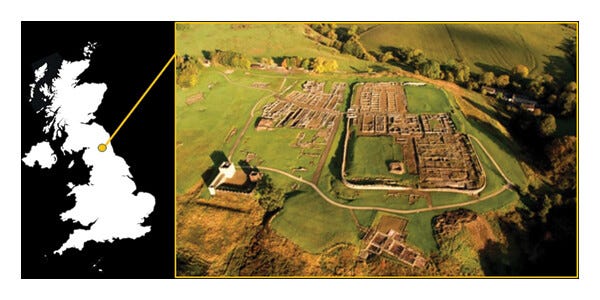
The study revealed that ink production at the Vindolanda fort was far from standardised, identifying five distinct recipes:
Local Charcoal: Most tablets used burned local plants or wood, suggesting on-site production.
Bistre: Derived from soot of resinous wood.
Bone Black: Created from calcined animal bones.
Vine Black: A rare find made from charred grapevines, materials typically imported from the Mediterranean, suggesting the presence of high-status officers or imported supplies.
Industrial Byproducts: Trace metals suggest some inks were produced in workshops using heat from metalworking or pottery kilns.
These findings prove that Roman soldiers on the ‘edge of the world’ were resourceful artisans, utilising both local materials and traditional, even ‘obsolete’, Mediterranean techniques to maintain the vital administrative and personal communications of the empire.
KNOW MORE
Wiley - The Making of the Vindolanda Wooden Writing Tablets
British Museum Research Repository

The Spinning House: Cambridge’s Forgotten Private Prison
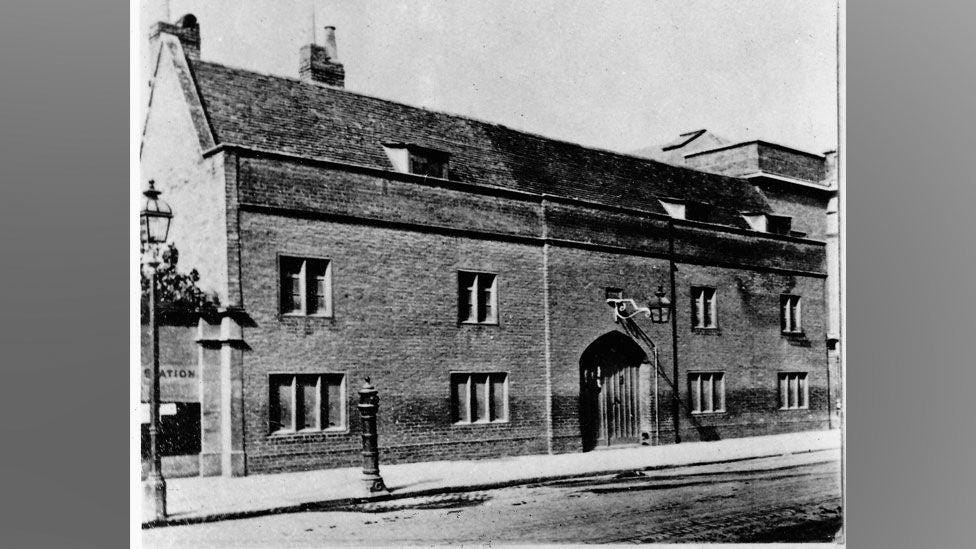
Volunteers from the Cambridgeshire and Huntingdonshire Family History Society have embarked on a significant project to transcribe the records of the Spinning House, a private 19th century prison operated by Cambridge University. The project aims to recover the lost histories of over 6,000 working-class women detained under a draconian system of ‘moral policing’.
Authorised by an 1825 Act of Parliament, the university utilised a private police force known as the ‘Bulldogs’. These constables targeted women found in the company of students after dark, often arresting them on mere suspicion of solicitation. The proceedings lacked fair trials and documented evidence; while a woman’s reputation was permanently tarnished by a Spinning House entry, the male students involved remained anonymous, protected by a university system designed to safeguard the status of the upper class.
The ledgers, held at the Cambridge University Library, vary from sparse name-and-age entries to detailed accounts including occupations and family members. For many historians, these records are invaluable, as they provide a rare written trace of poor, working-class women who otherwise left little mark on the historical record.
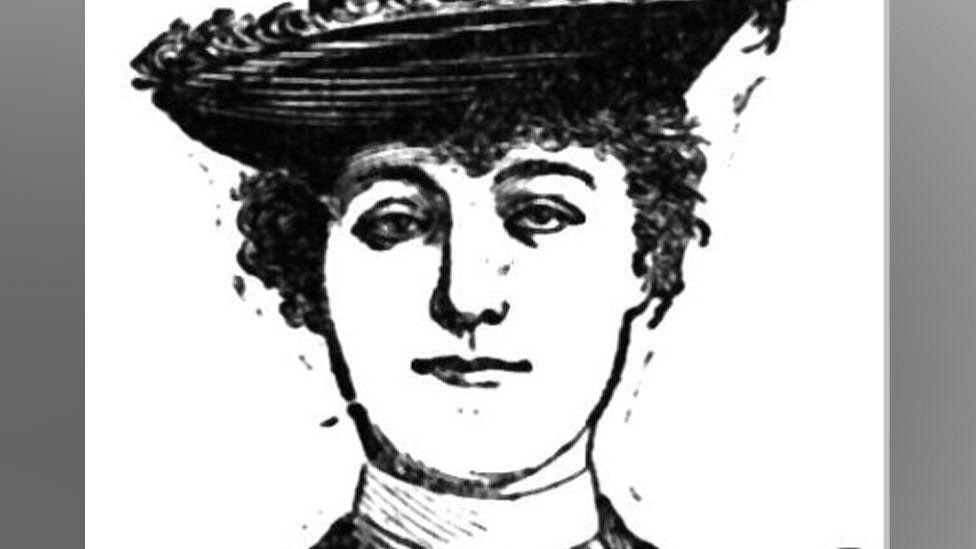
Several high-profile cases exposed the system’s cruelty, including those of 19-year-old Elizabeth Howe who died from illness contracted in the prison’s damp cells in 1846, the case of Emma Kemp (1860), a dressmaker who successfully sued for wrongful arrest, though the legal battle bankrupted her family, and the case of Jane Elsden (1891), whose arrest while walking alone highlighted the university’s blatant disregard for its own procedural rules.
The system finally collapsed following the 1891 arrest of 17-year-old Daisy Hopkins. Despite the involved man admitting he had solicited her, Hopkins was imprisoned. Her legal team secured a historic writ of habeas corpus, leading a judge to declare her detention illegal. This legal triumph, alongside the rise of women’s colleges and a shifting social climate, led to the 1894 Act of Parliament that revoked the university's medieval charter and abolished the prison.
Today, 14 volunteers are digitising these files to ensure these women are no longer just statistics, but recognised individuals with families and reclaimed stories.
KNOW MORE
Cambridge Digital Library - Spinning House Committals Books
BBC - ‘Why is it always the women that get punished?’

HISTORY HIGHLIGHTS

These history gems caught the AWLOH eye this week!
Substack Recommendation:
Ancient Beat by James Fleischmann
History Book:
Rasputin: And the Downfall of the Romanovs, by Antony Beevor

Exhibition:
Cleopatra and the Queens of Egypt exhibition - Barnsley Museums

Experience Barnsley’s ‘Cleopatra and the Queens of Egypt exhibition’ explores 5,000 years of history through the lens of Egypt’s powerful women. Curated by Barnsley-born and BAFTA-winning Egyptologist Professor Joann Fletcher, the display traces the legacy of female leaders from Queen Neith-Hotep - the earliest named woman in history - to the iconic Cleopatra.
The exhibition features previously unseen artefacts from Ancient Egypt, and surprising local connections, including Roman coins minted by Cleopatra and Mark Antony discovered in nearby Darfield. From female Pharaohs to Elizabeth Taylor memorabilia, this 12-month showcase celebrates the enduring power and influence of ancient Egypt’s queens and pharaohs.
The exhibition opened on Saturday 7 March 2026 and runs until 20 February 2027
News:
ITV News launches digital-first history brand (£) - Streaming series and podcast to revisit defining moments of modern journalism
History Hit:
Medieval Sex According to Eleanor Janega
Medieval Military Historian Breaks Down Scotland VS England

TODAY IN HISTORY

Adam Smith published his influential economics book ‘The Wealth of Nations’
250 years ago today on 9 March 1776, Adam Smith - a preeminent Scottish philosopher and pillar of the Scottish Enlightenment - published his magnum opus, An Inquiry into the Nature and Causes of the Wealth of Nations.
This foundational text effectively birthed modern economics by dismantling the restrictive mercantilist systems of the 18th century.
Smith’s revolutionary ideas, most notably the “invisible hand” and the division of labour, shifted the global understanding of wealth from the hoarding of gold to the productivity of free markets and labour. By championing individual enterprise and competition, Smith earned his enduring title as the “Father of Capitalism.”
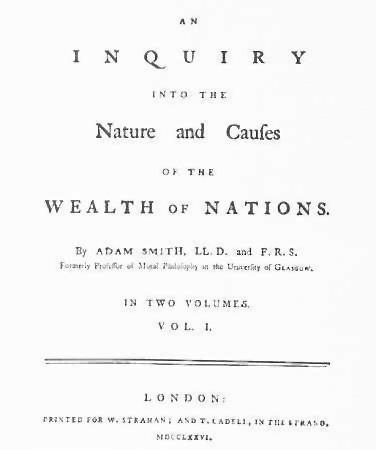
Today, the text remains the foundational pillar of classical economics, establishing the principles of competition and minimal state intervention that continue to shape global capitalism.

PHOTO OF THE DAY


The first Barbie doll made its debut at the American International Toy Fair in New York on 9 March 1959.

QUOTE OF THE DAY