Friday, 27th March
Howard Carter and the Curse of Tutankhamun

‘The ‘Tutankhamun Curse’ was his invention’ - Howard Carter on a ‘menace to Archaeology’
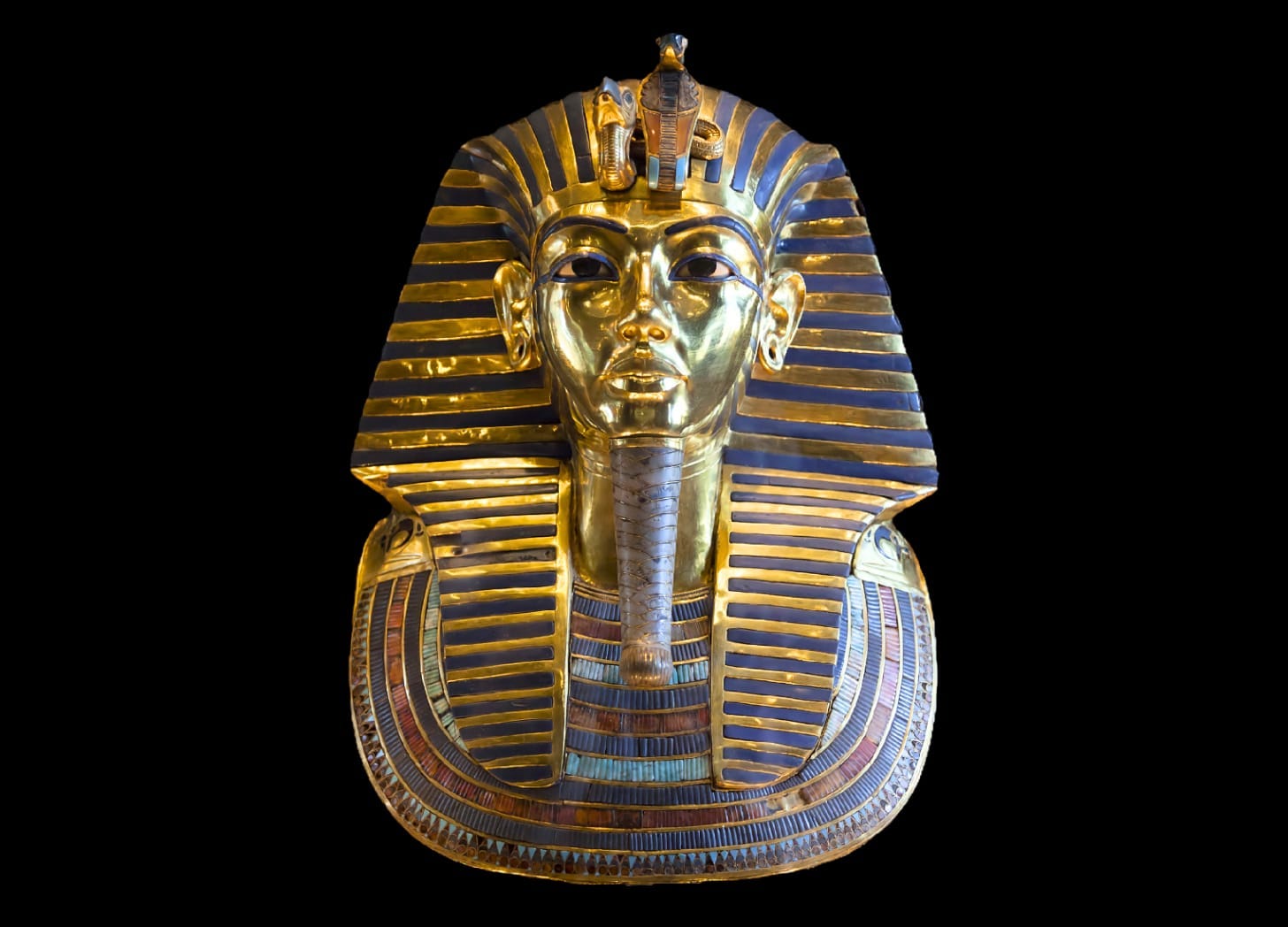
A letter in which Howard Carter celebrates the death of journalist Arthur Weigall, whom Carter saw as the inventor of the ‘Tutankhamun Curse’, has sold for $16,643.
Carter, who discovered the tomb of Tutankhamun in 1922, saw the Daily Mail journalist and former Egyptologist as a ‘menace to Archaeology’ who, despite being a ‘clever writer’, was also ‘cunning’, noting that Weigall’s ‘invention [of the Curse] had no basis’.
The letter, dated 21st January 1934 and written by Carter in Luxor, was sent to a Helen Ionides in thanks for Ionides’ sending of some recent newspaper obituaries.
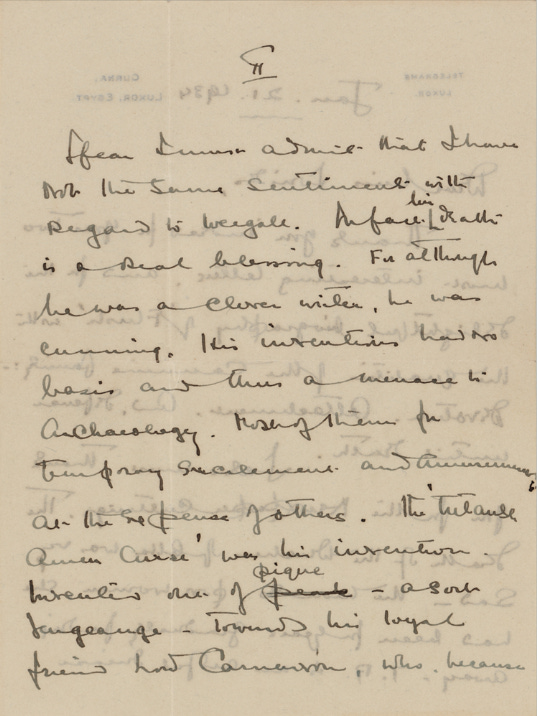
While expressing sadness at the death of one figure, the Duchess of Alba, Carter adds:
‘I fear I must admit that I have not the same sentiments with regard to Weigall. In fact his death is a real blessing. For although he was a clever writer, he was cunning. His inventions had no basis and thus a menace to Archaeology. Those of them [sic] for temporary excitement and amusement at the expense of others. The ‘Tutankhamun Curse’ was his invention. Believed out of pique—a sort of vengeance—towards his loyal friend Lord Carnarvon who, because Weigall came out solely as correspondent of the Daily Mail, was obliged to treat him like the other newspaper correspondents. He was never at the opening of the discovery. He was the last of the correspondents to arrive, several minutes afterwards. But enough of this venom I must direct to a more pleasant subject.’
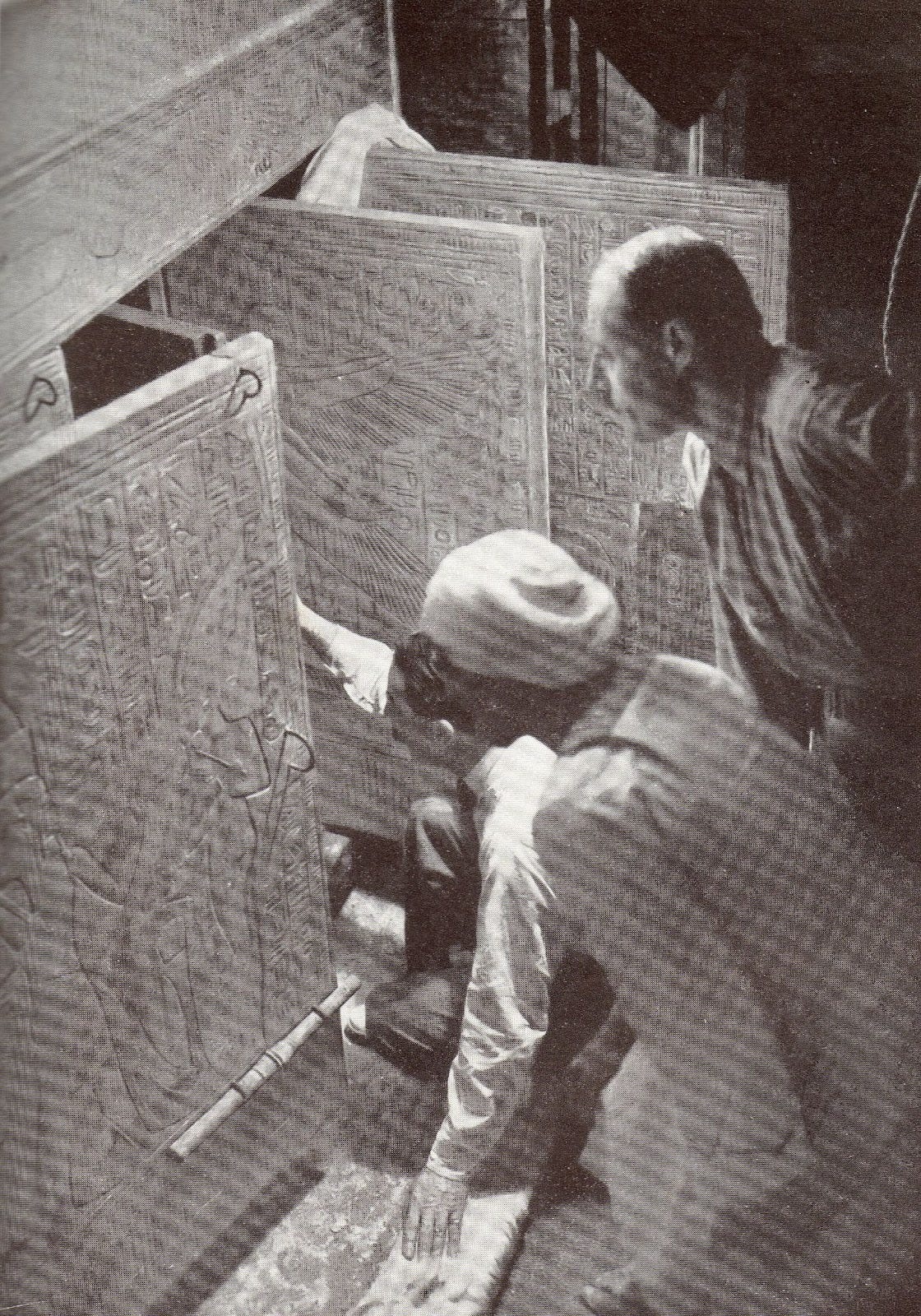
Weigall was one of many journalists who felt resentment that Carnarvon, Carter’s financial backer, had given the Tutankhamun story as an exclusive to The Times for £5,000 and 75% of profits on syndication rights.
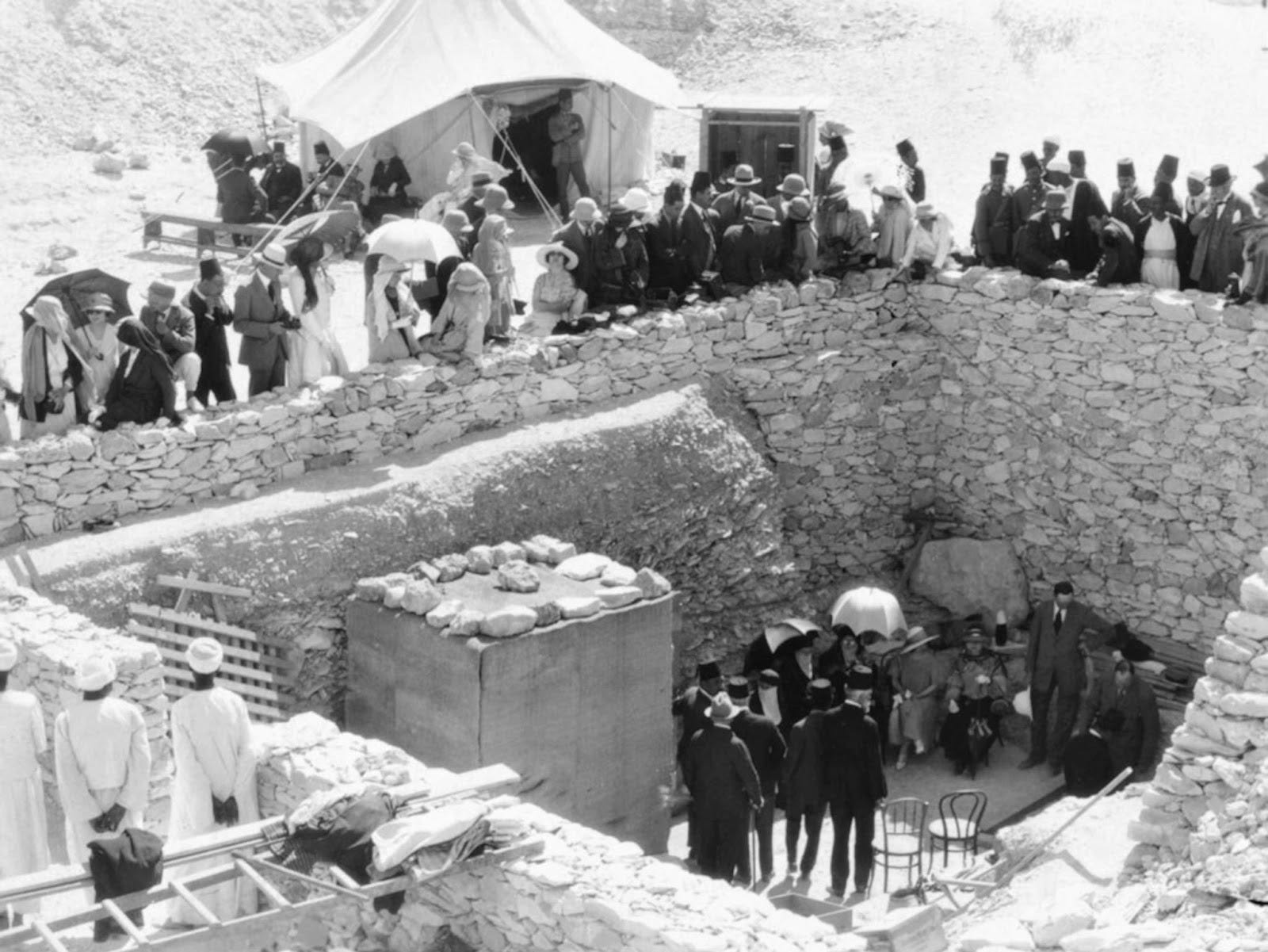
The idea of the ‘Curse’ is thought to relate to an episode at the official opening when Weigall claimed to have watched Carnarvon making jokes as he entered the burial chamber for the public opening on the 16th February, 1923, telling a bystander that: ‘If [Carnarvon] goes down in that spirit, I give him six weeks to live’.
Carnarvon died from complications apparently related to a mosquito bite received in Egypt on or around the 19th March, 1923, with the death on the 5th April nearly seven (not six) weeks after the official opening giving impetus to theories about Pharaonic curses.
Notably, however, Weigall was only one of many who leaned into the myth. Other prominent writers, including popular novelist Marie Corelli and Sherlock Holmes creator, Arthur Conan Doyle also weighed in, with Conan Doyle speaking to the press about the potential for an ‘evil elemental spirit’ being involved in Carnarvon’s death.
KNOW MORE
RR Auction: Howard Carter Autograph Letter Signed on “The ‘Tutankhamun Curse’”
History Hit
Tutankhamun: The Greatest Archaeological Discovery of All Time
Tutankhamun’s ‘Curse’ & Other History Mysteries - with Dan Snow
(£) Tutankhamun: Life, Death and Legacy - with Dan Snow

The Women of Duropolis: Reclaiming the Iron Age
In History Hit’s new documentary Iron Age Women: Rulers of the Land, Tristan Hughes explores how groundbreaking genetic research is dismantling the warrior myth to reveal the true prominence of women in pre-Roman Britain.
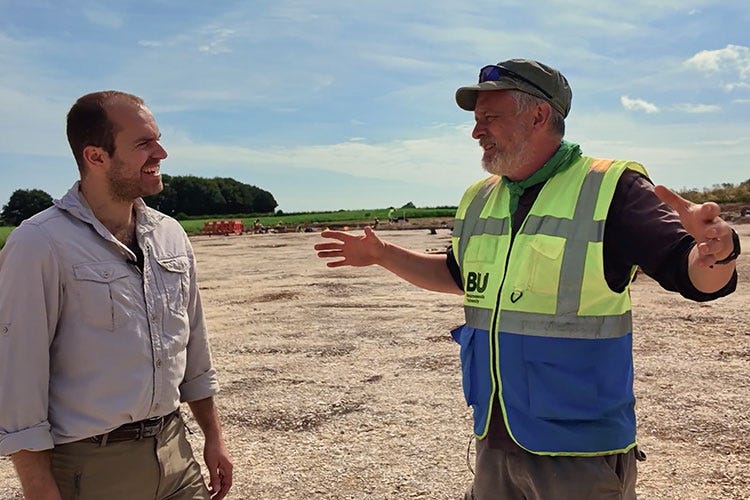
The latest archaeological findings from a site dubbed ‘Duropolis’ in Dorset - Britain’s largest known Iron Age cemetery - are dismantling the “warrior-king” trope. Long viewed as a patriarchal society defined by male aggression, new evidence reveals a sophisticated matrilocal network where women held the keys to land, status, and the supernatural.
As presenter Tristan Hughes notes, ‘By bringing together archaeology, history, and the evidence preserved in human bones, we can draw a vivid new picture of life in Iron Age Britain and the social structures of sites like Duropolis. But huge pieces of that picture are missing, and DNA evidence can help fill in some of those gaps’.
DNA analysis of 55 individuals by Dr Lara Cassidy reveals a startling genetic signature: two-thirds of the community share a single mitochondrial type. This lineage traces back seven generations to a founding ‘Durotrigian Eve’ in the 2nd century BC. While women remained stationary, diverse male lineages migrated from as far as France to join these established female-led households - a high-accuracy predictor of elite female status.
As Dr Cassidy notes, ‘If you were going to pick a period of prehistory to be a woman, it probably was a pretty good one.’
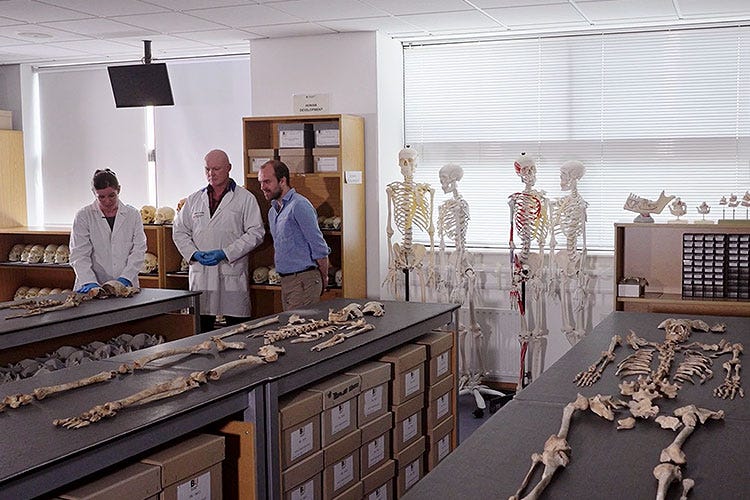
At Duropolis, the wealthiest burials consistently belong to women. These ‘matriarchs’ were interred with high-value goods, including rare Iron Age mirrors - described by Professor Melanie Giles as ‘potent weapons of the spirit world.’ From chariot-riding elites to the female judges protected by ancient ‘Brehon Laws,’ these women were the anchors of Iron Age politics and spiritual life until the Roman invasion imported a rigid patriarchal hierarchy in 43 AD.
KNOW MORE
History Hit
(£) History Hit: Iron Age Women: Rulers of the Land - with Tristan Hughes
History Hit: Were Iron Age Women the True Rulers of Britain?

Bronze Age watering hole linked to climate change discovered near Gloucester
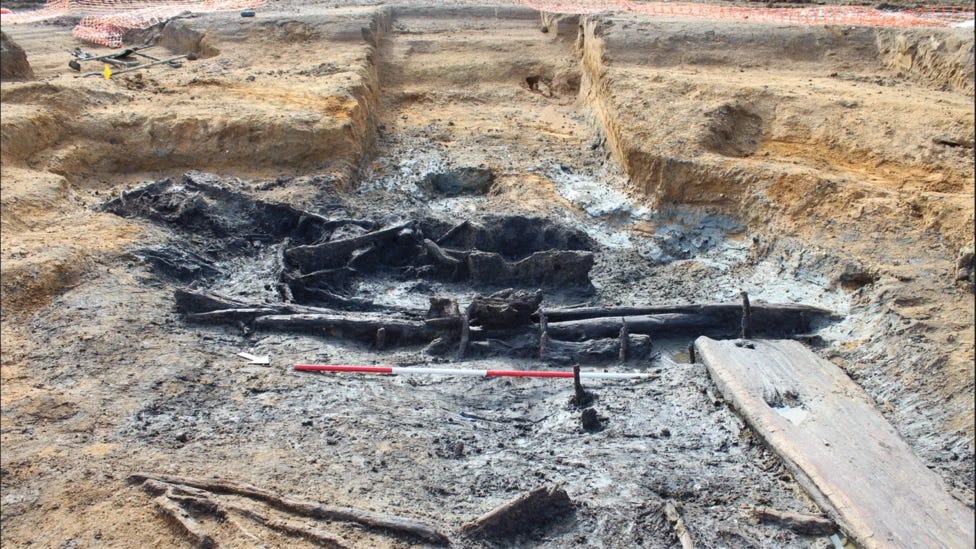
A 3,500-year-old timber structure, constructed to collect water for a Middle Bronze Age community that may have been experiencing climate change, has been uncovered near Gloucester.
Preserved due to the waterlogged conditions on the site, the wooden construction consists of a platform connected to a lower chamber accessed by a ladder.
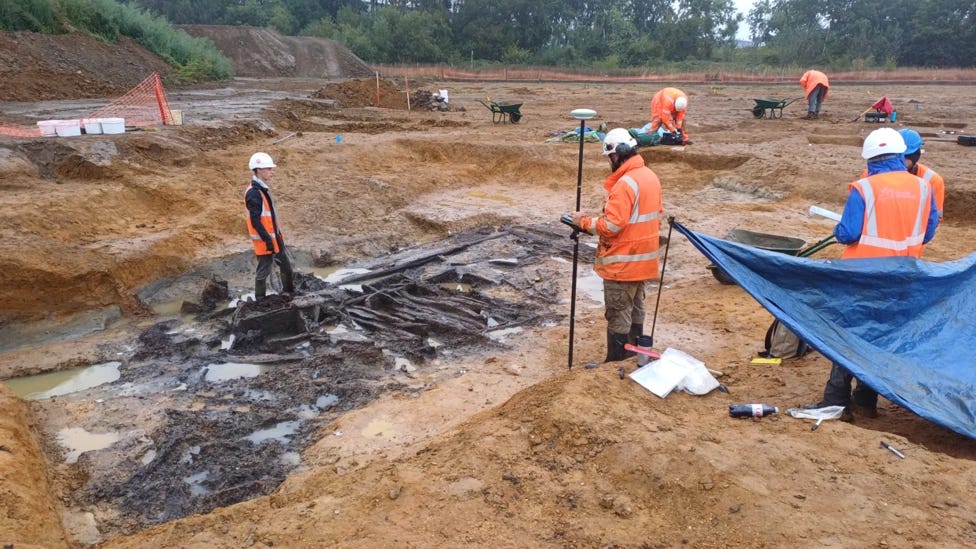
Paolo Guarino from Cotswold Archaeology told BBC Radio Gloucestershire:
‘We know from pollen analysis that during the Middle Bronze Age there was a period of weather-warming. The fact we’re finding more of these water holes suggests communities were digging them to access water near their settlements.’
KNOW MORE
BBC: Discovery is a glimpse into life 3,500 years ago

From Cradle to Grave: Gallo-Roman farming community unearthed
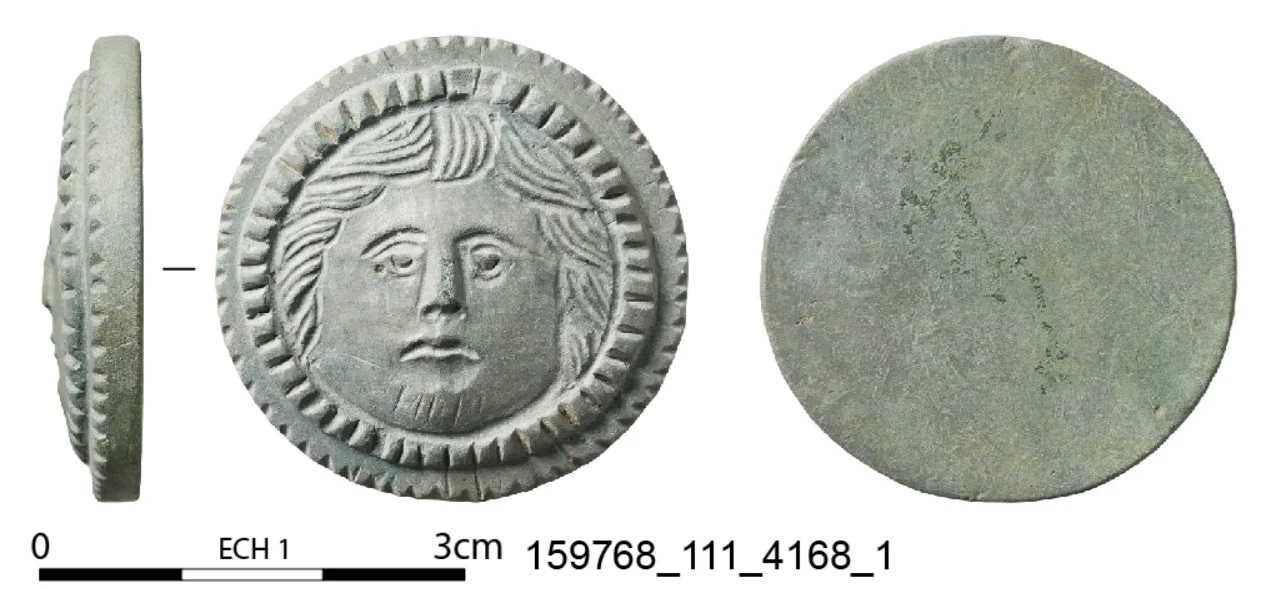
Archaeologists in the Pas-de-Calais region are uncovering traces of a Gallo-Roman farming community with well-preserved evidence of the life and death of its people.
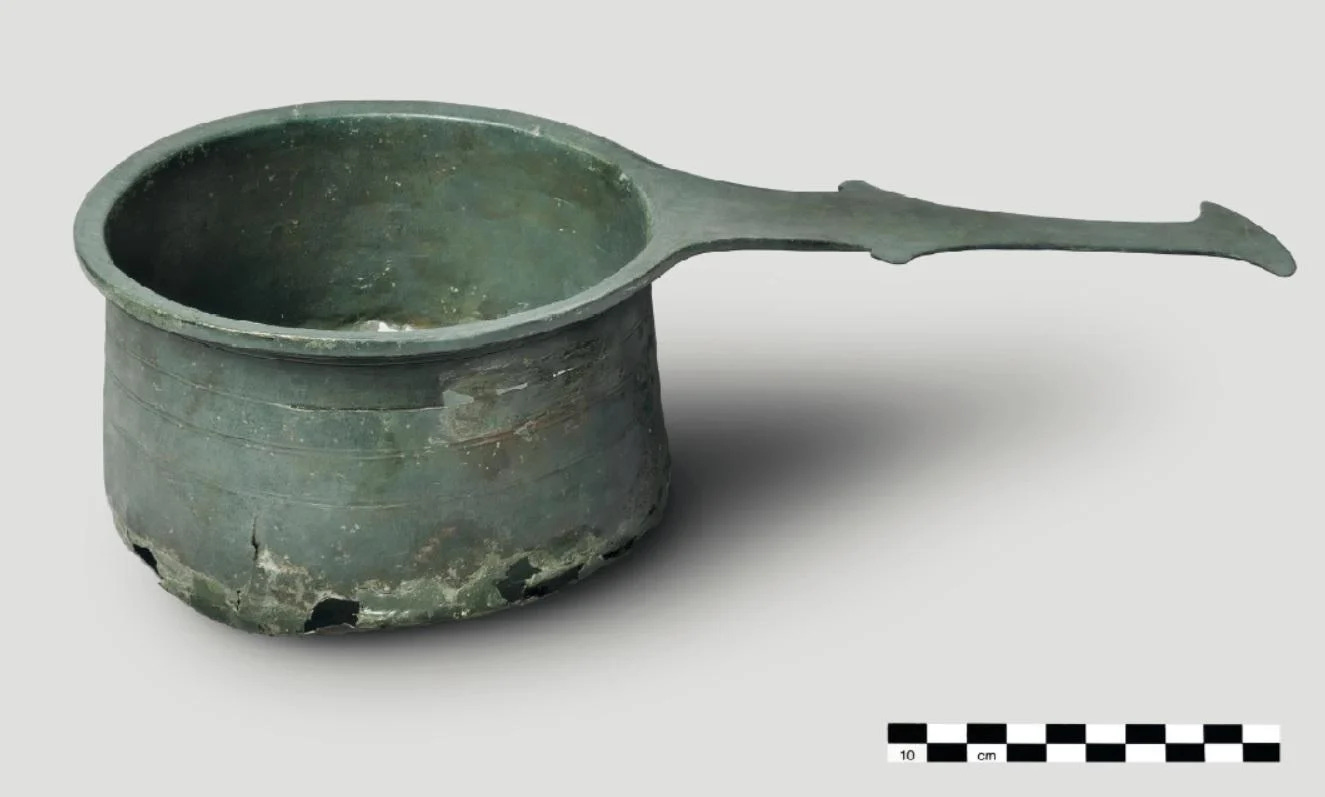
Roman-era pits have produced a rich array of finds from the daily life of the inhabitants, including a piece of furniture appliqué with the head of Medusa or a Gorgon, coins, the possible remains of a farm cart, and a bronze cooking pot with lead repairs.
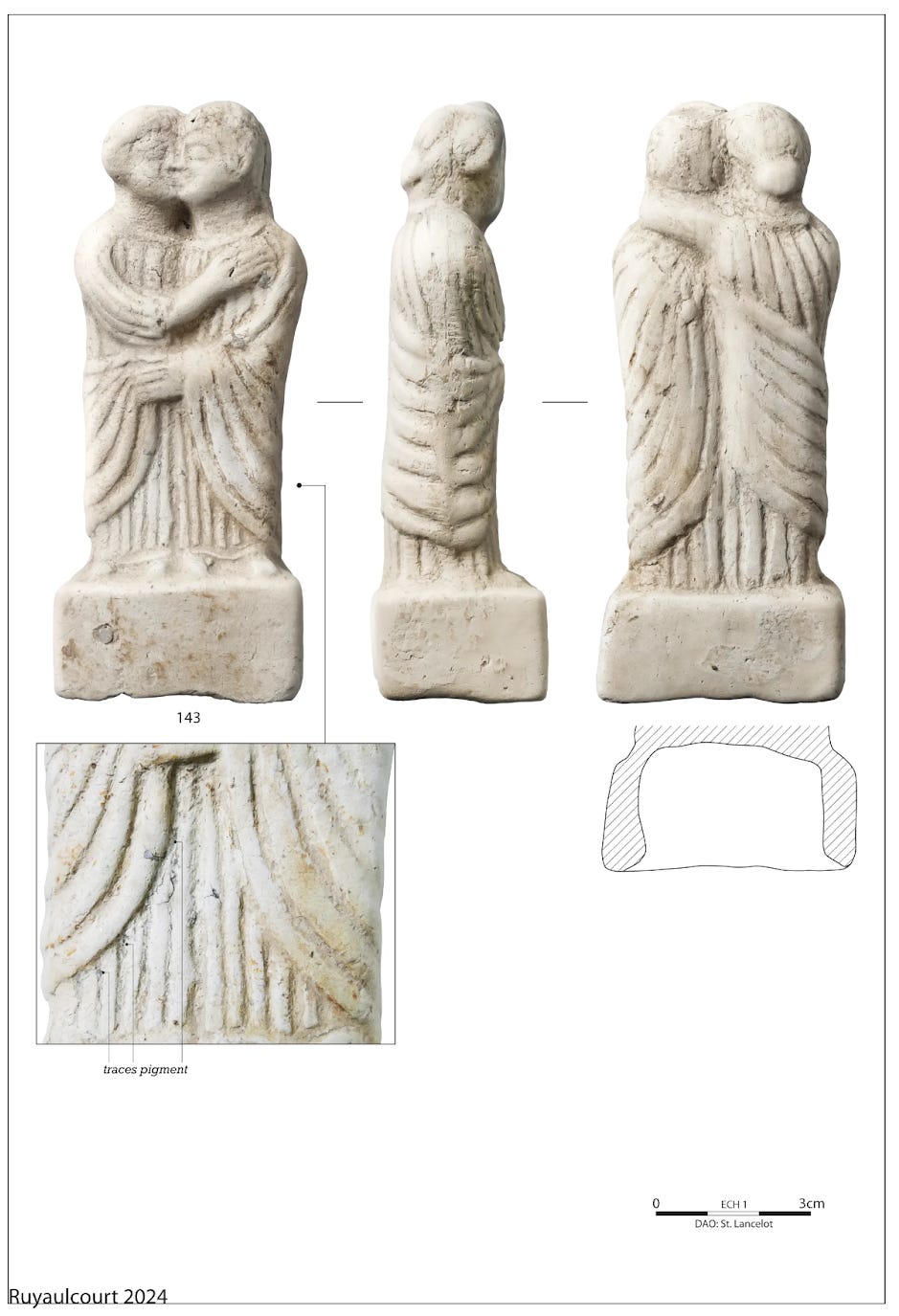
Areas for Gallo-Roman burials have also been located, producing wooden coffins, ceramics, a glass bead necklace, and a terracotta figurine of a pair of lovers.
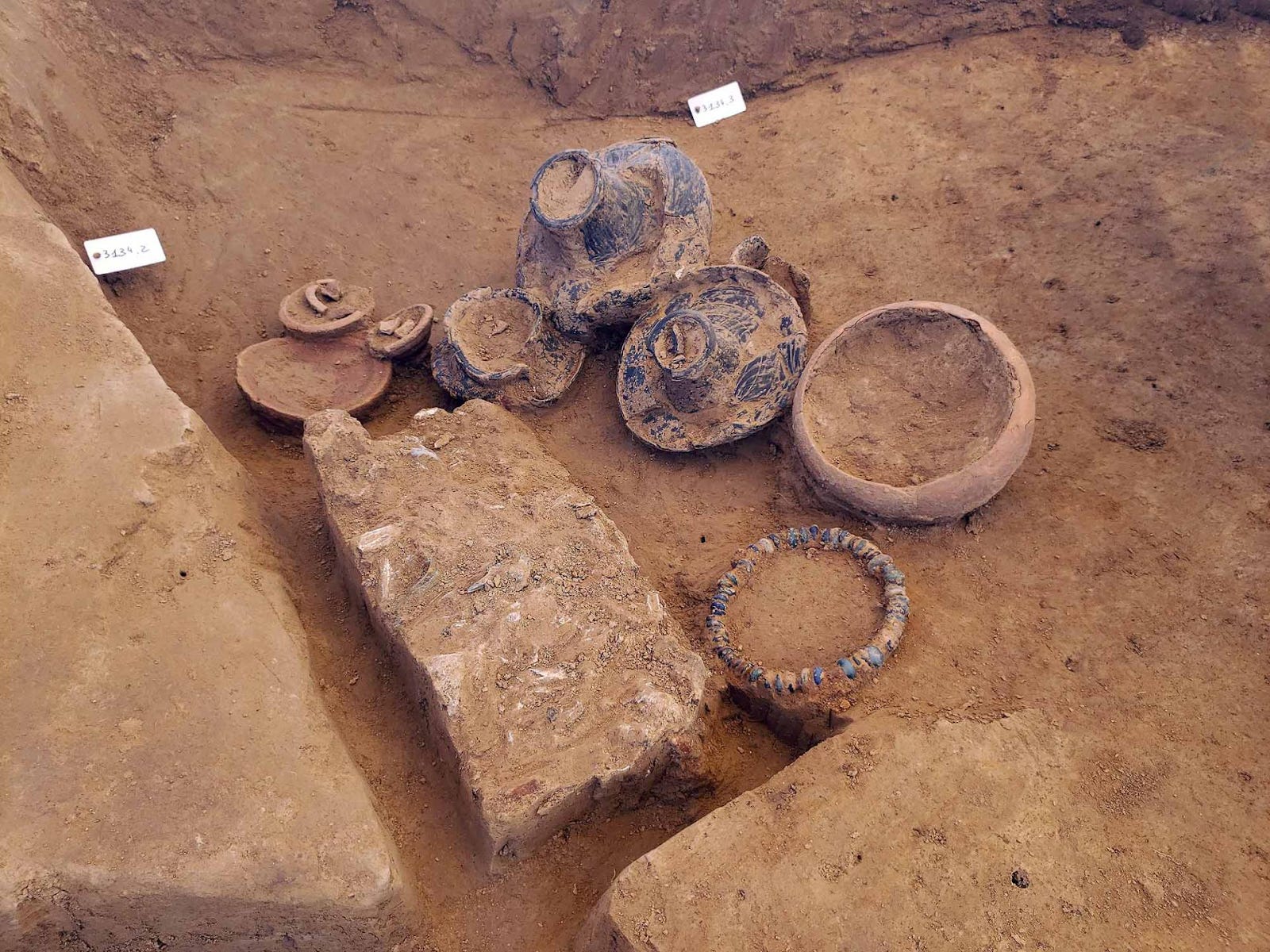
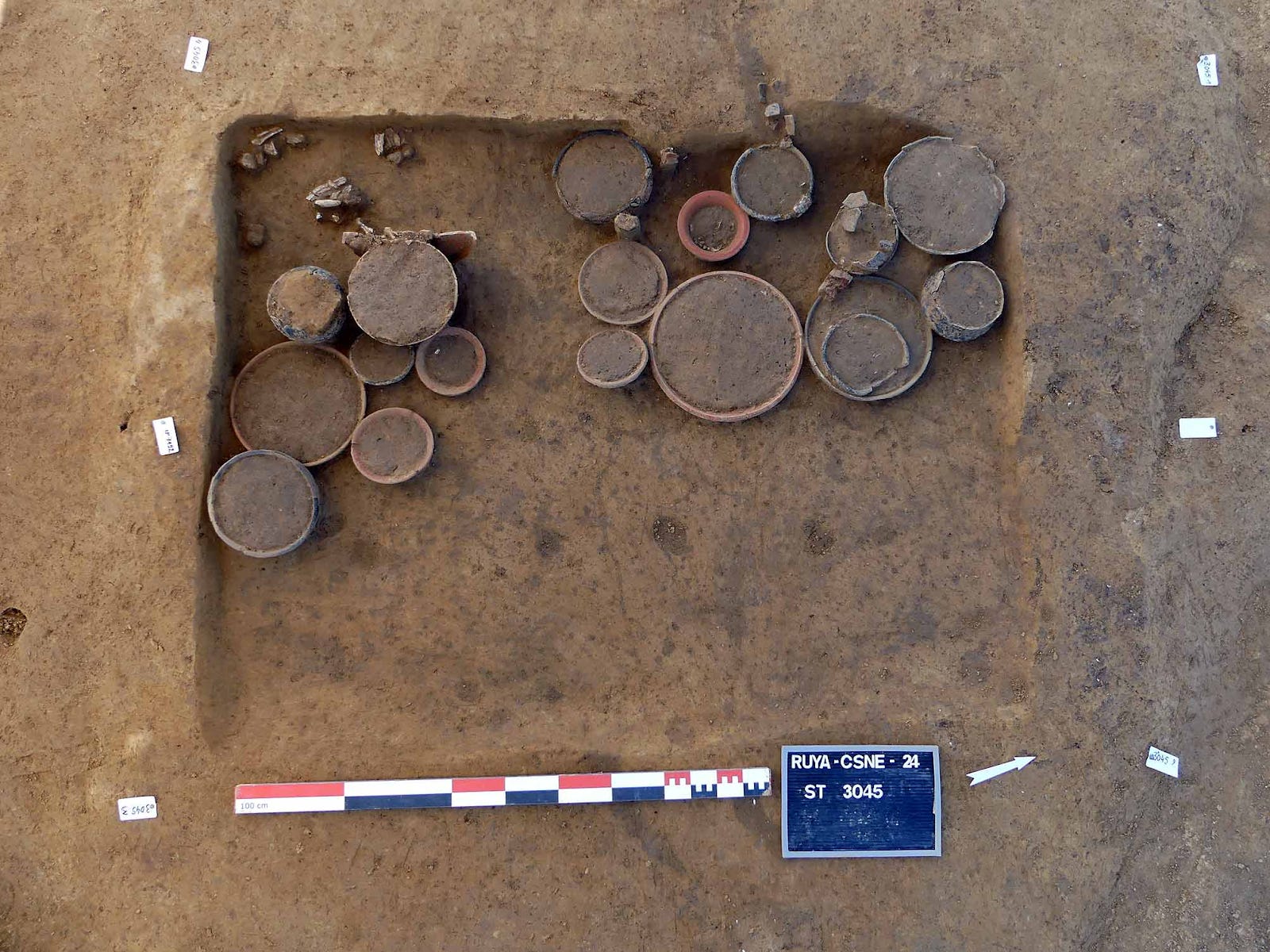
Elsewhere on the same site, another burial area was found, with one particularly impressive cremation grave containing 19 ceramic grave goods. With all the pottery in one half of the grave, the archaeologists have speculated that the remainder may have once held long-decayed organic offerings such as flowers and clothing.
Another grave in this second cemetery is of particular importance due to the survival of a small grill and andiron (firedog), indicating the centrality of funeral feasting.
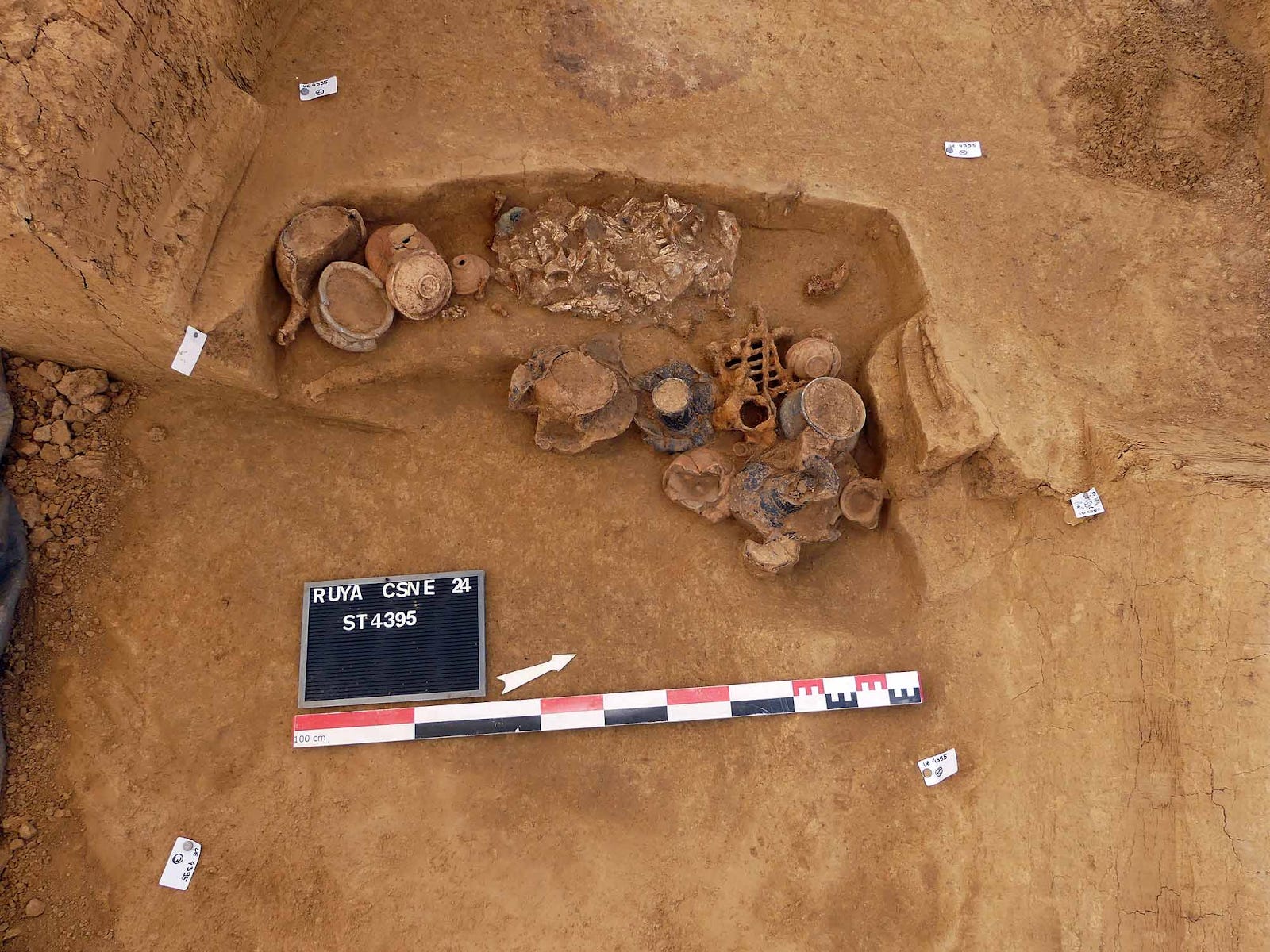
The Ruyaulcourt site is being investigated by Inrap as part of the Seine-Nord Europe Canal project.
KNOW MORE
Inrap: Un terroir rural du second âge du Fer au Bas-Empire à Ruyaulcourt (Pas-de-Calais)

HISTORY HIGHLIGHTS
These gems caught the AWLOH eye!
Substack Recommendation
Alice Loxton, author of Eleanor
Book
The First King of England: Æthelstan and the Birth of a Kingdom
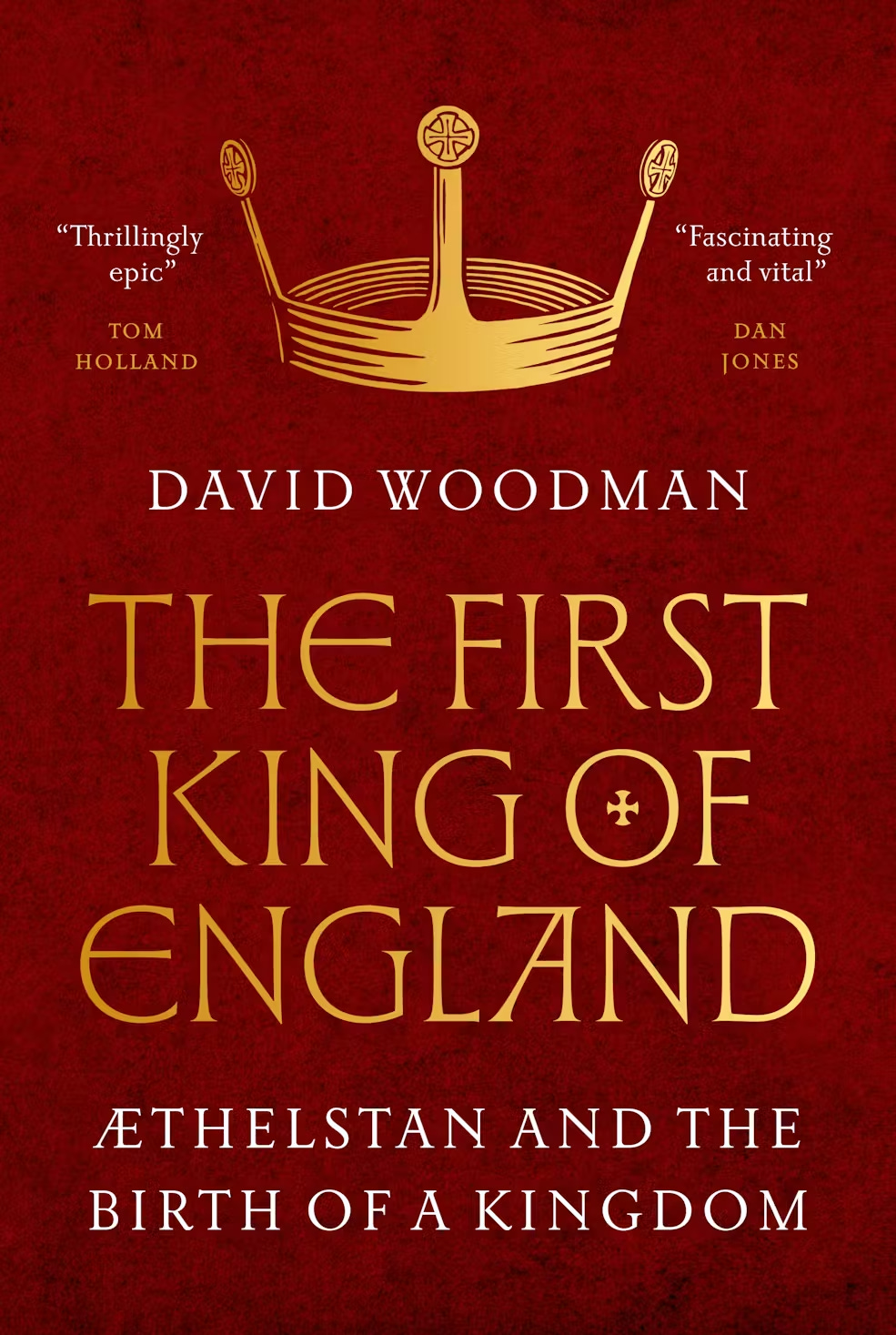
Recommended by the likes of Clare Downham, Rory Naismith, Tom Holland, Peter Frankopan, and Dan Jones, this book on possibly the most important ruler in English history is very much on our wishlist.
Exhibition
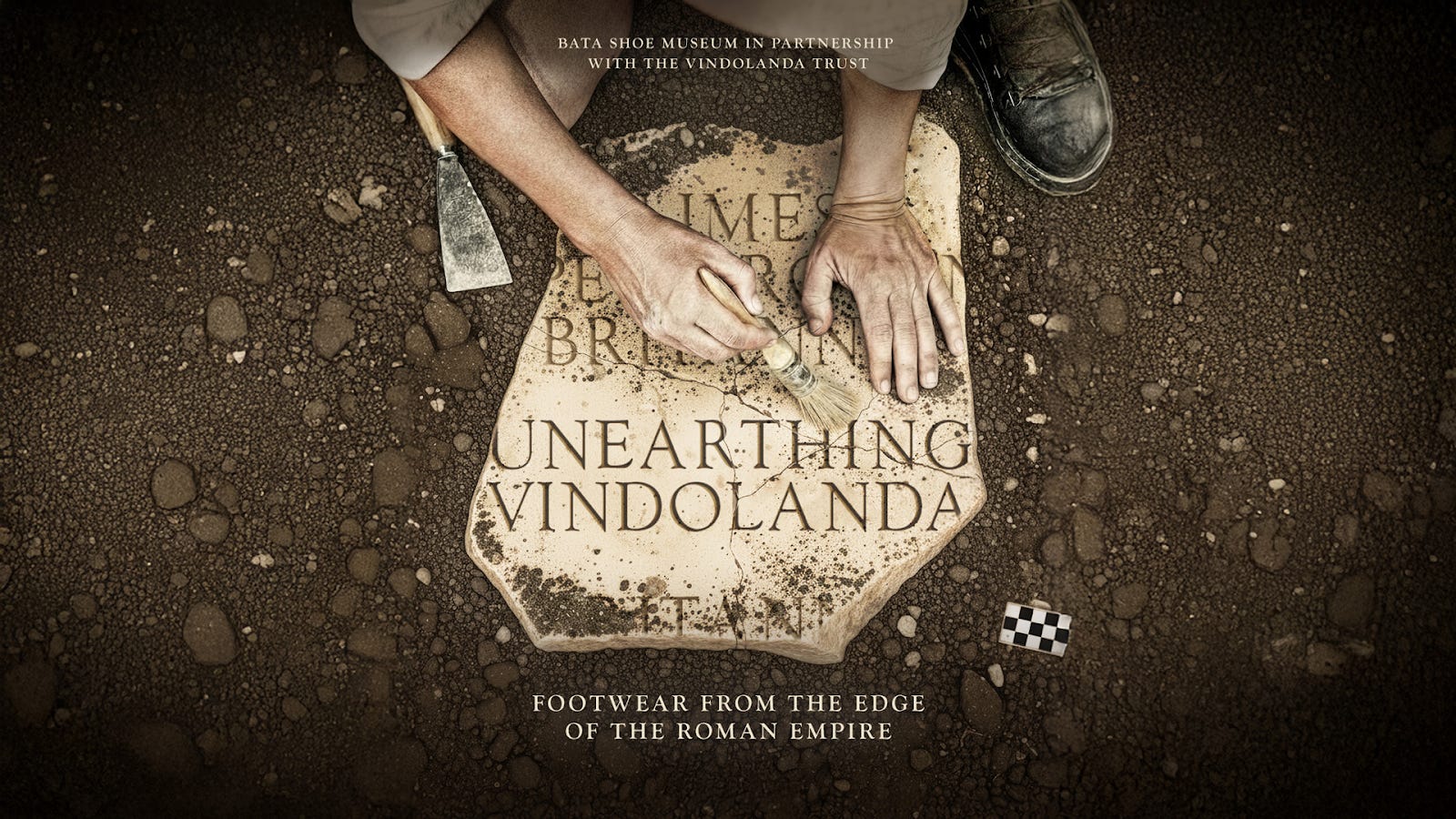
Unearthing Vindolanda: Footwear from the Edge of the Roman Empire
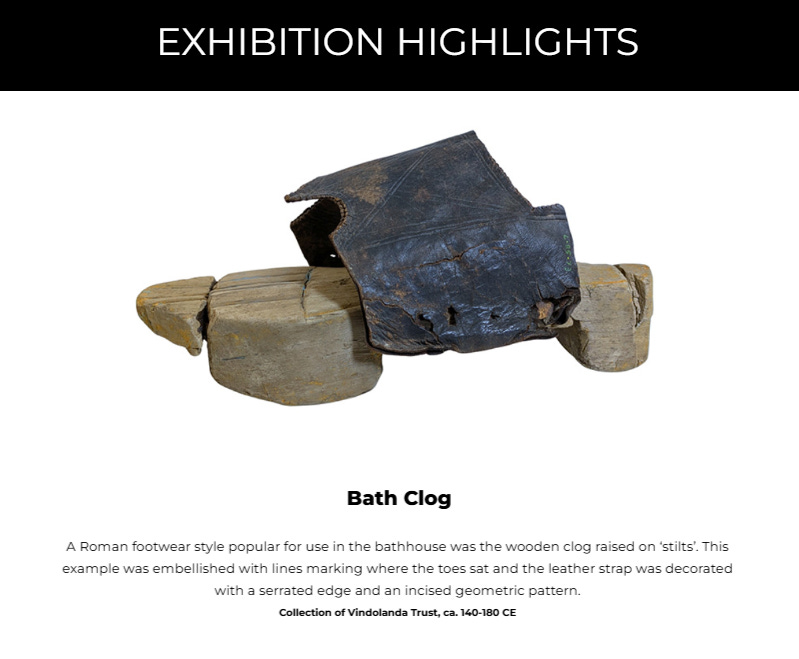
Opens 7th May, 2026: Bata Shoe Museum, 327 Bloor St W, Toronto, ON M5S 1W7, Canada
Canadian friends! See Roman shoes from the Vindolanda excavations in Toronto, thanks to the Bata Shoe Museum’s collaboration with the Vindolanda Trust.
History Hit
The Real Peaky Blinders: What Do We Actually Know? Luke Tomes & Carl Chinn
Was Medieval Society RUINED By The Black Death? Dan Snow & Helen Carr

TODAY IN HISTORY

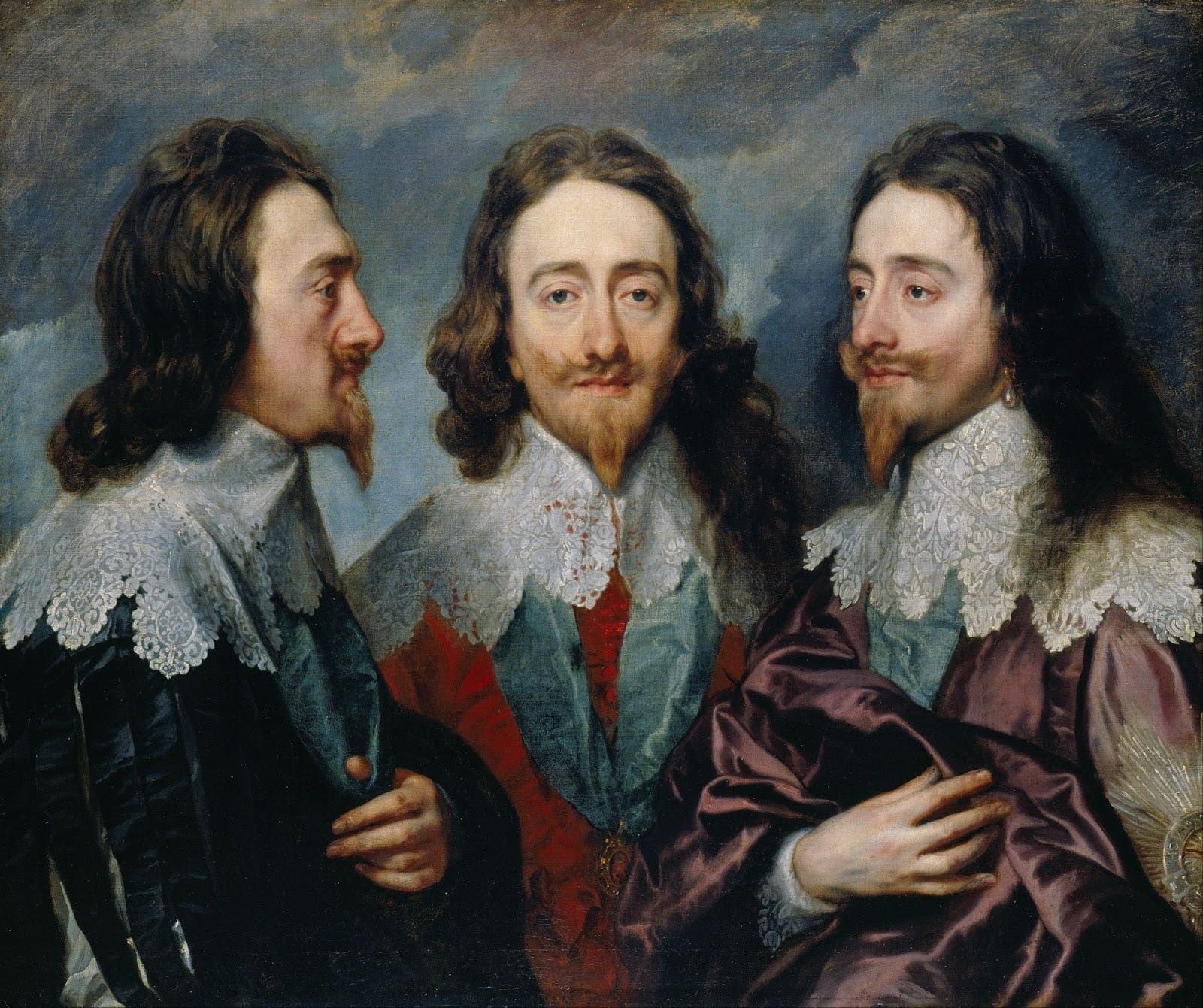
Following the death of his father James VI & I on this day in 1625, Charles James Stuart acceded to the throne as Charles I.
What happened next is quite the story, as the History Hit content below will show.
History Hit
The Execution of Charles I - with Dan Snow and Rebecca Warren
Charles I and the Civil War - Free ebook

PHOTO OF THE DAY

Roman funerary inscription found in a ditch in Livorno, Italy
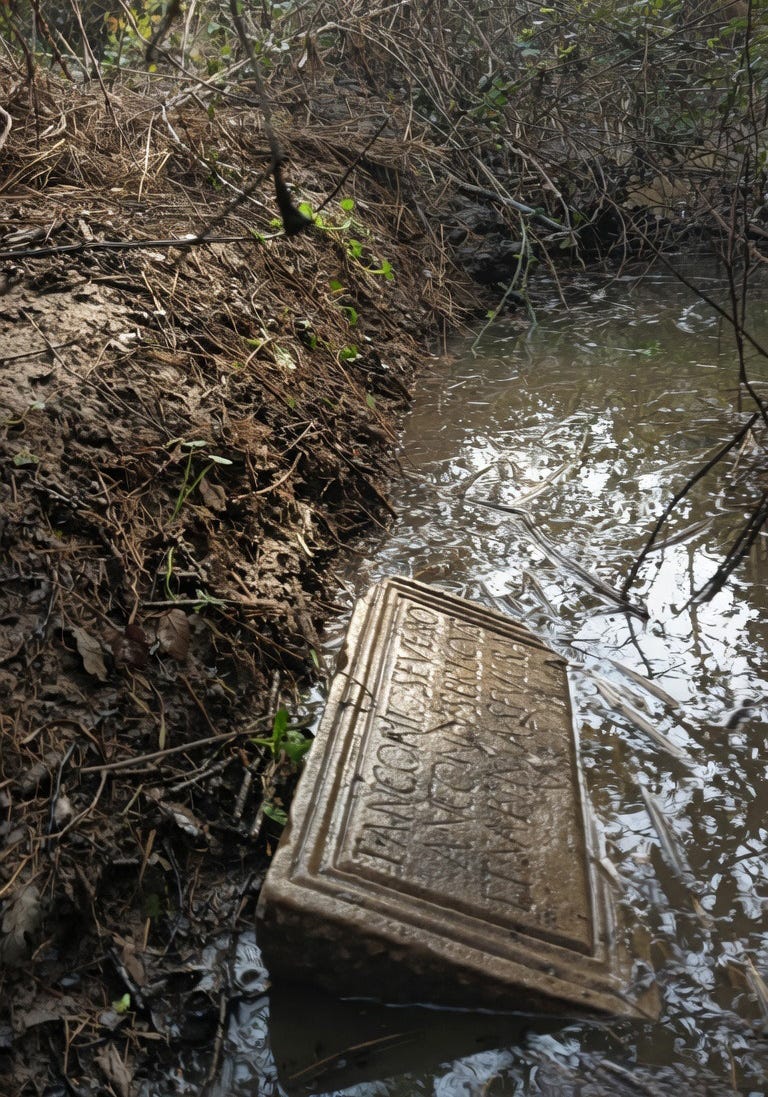
Read more from SABAP Pisa e Livorno archaeologist Lorella Alderighi in Archeologia Viva, for which web translations are available.

QUOTE OF THE DAY